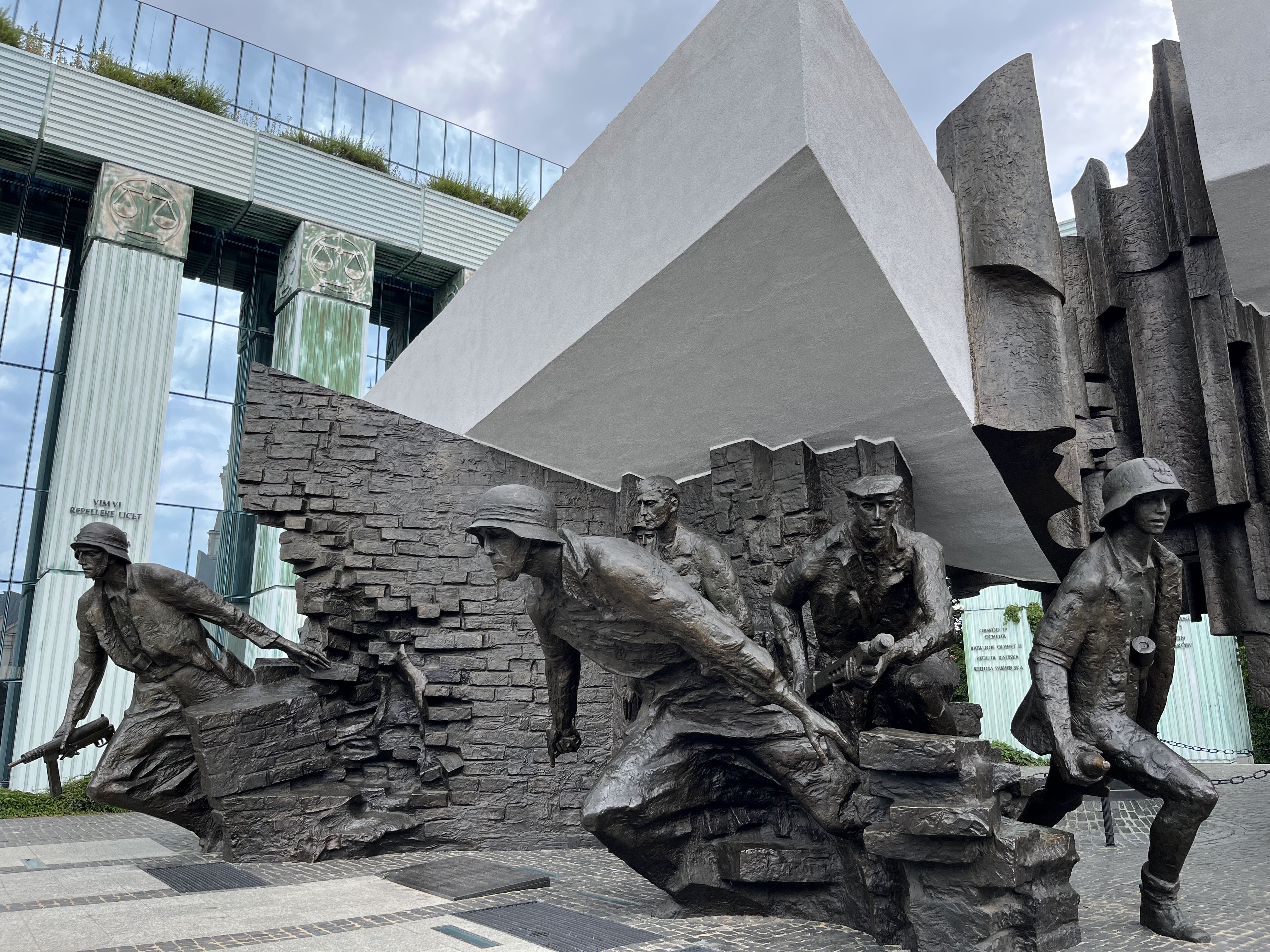
Warschauer Aufstand Denkmal
Denkmal des Warschauer Aufstands 1944 · Plac Krasińskich · Kostenlos, 24/7
Discover the Warsaw Uprising Monument
Das Warschauer Aufstand Denkmal (polnisch: Pomnik Powstania Warszawskiego) liegt am Plac Krasińskich in Warschau. Das am 1. August 1989 enthüllte Denkmal ehrt die Helden des Warschauer Aufstands von 1944 – des größten bewaffneten Aufstands einer europäischen Widerstandsbewegung im Zweiten Weltkrieg. Das frei zugängliche Denkmal steht am südlichen Rand des Krasiński-Platzes, direkt vor dem Gebäude des Obersten Gerichts.
Standing before the Warsaw Uprising Monument, you will immediately feel enveloped by a solemn and profound atmosphere. The entire sculptural group, rendered in highly impactful realistic techniques, recreates the heroic moments of the 1944 Warsaw Uprising—the shattered structures, the struggling figures, all silently narrate the suffering and resistance this city once endured.
The square is quiet and solemn, free from commercial bustle. Visitors walk softly and slowly, standing in reverent contemplation. The two sculptural groups complement each other—one side depicting courageous fighters, the other showing civilians struggling to survive in the ruins. The intricate carving details fully present both the cruelty of war and the resilience of humanity.
Surrounding modern buildings rise alongside this heavy historical landmark, creating a striking contrast that makes one appreciate the preciousness of peace even more. You can quietly circle the monument, absorbing the emotions conveyed by the sculptures, and reflect in the expansive memorial square, remembering this chapter of the city's past that must never be forgotten.
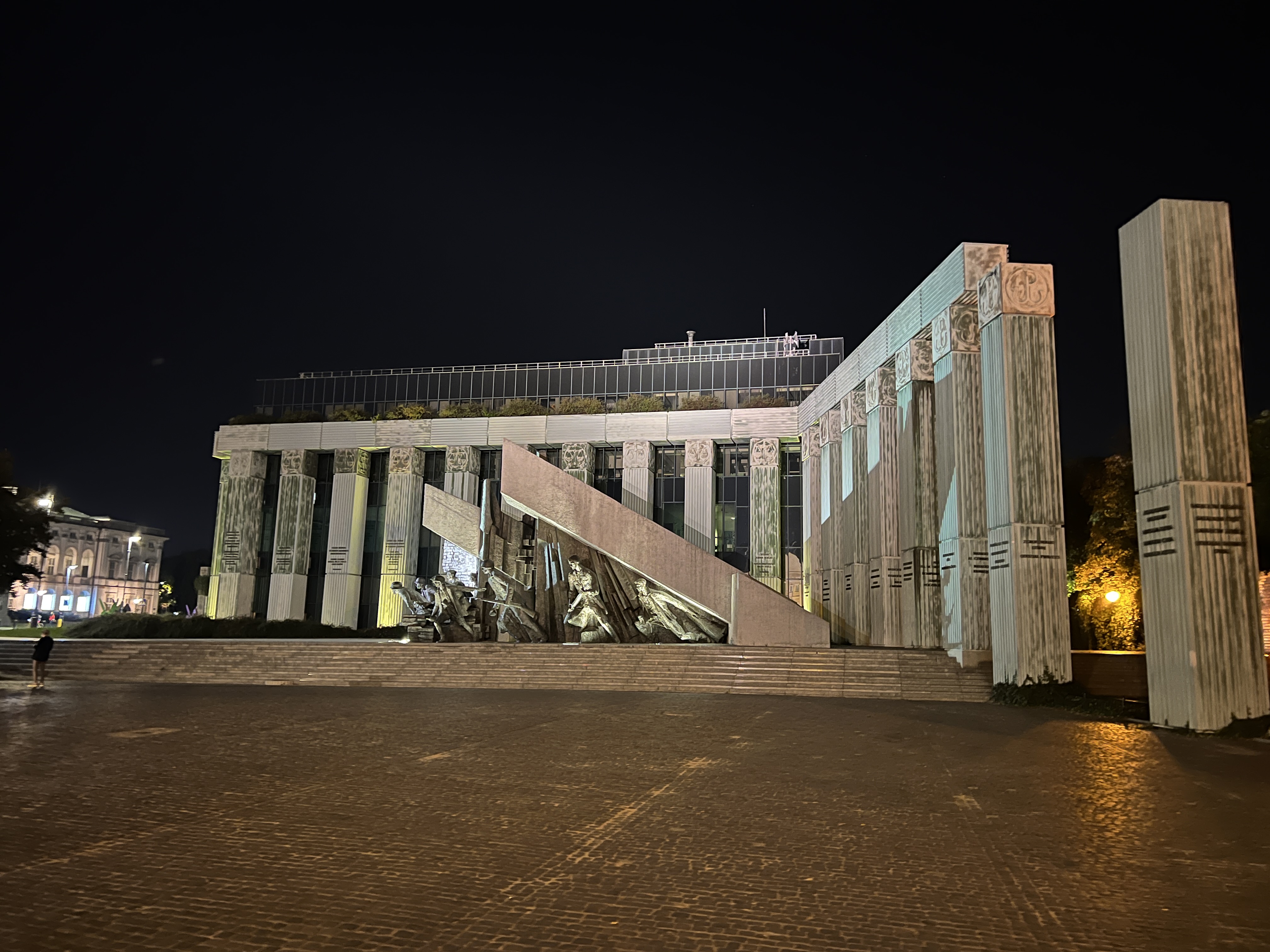
As twilight falls, cool light and shadows envelop the entire square, making the monument's silhouette increasingly dignified. This is not merely a sculptural landmark—it is Warsaw's spiritual pillar, witnessing destruction, resistance, and rebirth, allowing every visitor to understand the history and faith of this resilient city.
Visit Tips
- Recommended to visit during early morning or late afternoon for softer lighting and fewer crowds
- The outdoor memorial square is free and open 24/7 year-round
- Maintain solemn silence and refrain from loud behavior out of respect for the fallen
- Wear comfortable walking shoes as the square has extensive paved stone surfaces
Highlights
- Most significant WWII memorial landmark in Poland
- Core spiritual symbol commemorating the 1944 Warsaw Uprising
- European classic WWII historical memorial landmark
- Important site for patriotic education and historical remembrance
About Warsaw Uprising Monument
Basic Information
Official Name
Pomnik Powstania Warszawskiego
Attraction Type
Historical Monument, WWII Memorial, Cultural Heritage Site
Country
Poland
City
Warsaw
Google Rating
4.8/5 (5,532)
Address
plac Krasińskich, 00-263 Warschau, Polen
Wetter in Warschau
Aktuelle Bedingungen und 5-Tage-Vorhersage für den Bereich des Denkmals – zur Planung Ihres Besuchs.
5-Tage-Vorhersage
Opening Hours
Memorial Square & Monument
Open 24/7 year-round, no restrictions
Jahrestag des Aufstands — 1. August
Jährliche staatliche Zeremonie am Denkmal
Weitere Gedenktage
Veranstaltungen das ganze Jahr; der Platz bleibt rund um die Uhr geöffnet
Special Notice
Ceremonies and events are held on commemorative days and special occasions. The atmosphere is solemn and dignified.
Recommended to visit during early morning or late afternoon for fewer crowds and better atmosphere
Ticket Prices
Outdoor Memorial Square
Free admission, no entry fee
Kostenloses Denkmal & bezahltes Museum
Gut zu wissen
Das Museum (Stadtteil Wola) ist eine separate kostenpflichtige Attraktion; das Denkmal am Plac Krasińskich ist immer kostenlos.
How to Get Here
From Warsaw Chopin Airport
Take bus 175 or S2/S3 urban trains to the city center (Warszawa Centralna), transfer to Metro Line M1 to Ratusz Arsenał station, and walk about 8 minutes to the monument. Ride-sharing from the airport can take you directly to the monument square.
Self-Drive / Ride-Share
The most convenient option. Warsaw's city center has well-developed road networks. Major parking areas surround the square. Ride-sharing services operate throughout the city with direct drop-off points near the memorial.
From Warsaw Central Railway Station
From Warsaw Central Station (Warszawa Centralna), take tram 15, 18, or 35 to Muranów station, or take Metro Line M1 to Ratusz Arsenał station, then walk for about 5-8 minutes.
From City Center / Old Town
From Warsaw Old Town Square, walk west for about 10 minutes; from the Palace of Culture and Science, take Metro Line M1 to Ratusz Arsenał station. Well-connected walking trails make it very accessible.
Cycling
Warsaw has well-developed cycling paths. Public bike-sharing stations are available throughout the city center. Cycling to the monument square offers flexibility and allows you to explore surrounding areas at your own pace.
Travel Tips
It is recommended to purchase a local transport day pass for unlimited metro, tram, and bus rides—ideal for visiting multiple attractions in succession. The city center has clear signage in multiple languages.
Ausstattung vor Ort und in der Nähe
Der Gedenkplatz selbst ist frei von kommerziellen Einrichtungen. Hier finden Sie typische Angebote in fußläufiger Entfernung vom Plac Krasińskich.
Öffentliche Toiletten
Auf dem Gedenkplatz gibt es keine öffentlichen Toiletten. Die nächsten befinden sich am Altstädter Marktplatz und in städtischen Einrichtungen des Zentrums, etwa 8–10 Minuten zu Fuß. Nutzen Sie Toiletten an Verkehrsknotenpunkten oder in Einkaufszentren vor der Anreise.
Parken
Der Plac Krasińskich liegt in der gebührenpflichtigen Parkzone der Warschauer Innenstadt: Straßenparkplätze sind begrenzt und zeitlich beschränkt. Im Zentrum gibt es auch mehrstöckige Parkhäuser. Am einfachsten erreichen Sie den Platz mit öffentlichen Verkehrsmitteln.
Gastronomie & Cafés
Auf dem Gedenkplatz gibt es keine Restaurants oder Kioske. In 5–15 Gehminuten bieten die Altstadt und das Zentrum eine große Auswahl an Cafés, Restaurants, Bistros und Schnellrestaurants in allen Preisklassen.
Hotels & Unterkünfte
Unterkünfte im Zentrum und in der Altstadt von Warschau reichen von Hostels und Budget-Hotels bis zu Hotels höherer Kategorie. Die direkte Umgebung des Platzes besteht überwiegend aus Büros und öffentlichen Gebäuden, daher liegen die meisten Hotels 10–20 Gehminuten entfernt. Siehe Abschnitt Unterkünfte.
Lebensmittel & Supermärkte
Super- und Minimärkte sind in der Warschauer Innenstadt weit verbreitet, viele haben lange geöffnet. Die nächsten Einkaufsstraßen führen in Richtung Altstadt und Nowy Świat, etwa 10 Minuten zu Fuß.
Tankstellen & E-Ladestationen
Tankstellen gibt es im historischen Zentrum kaum, öffentliche E-Ladestationen rund um den Plac Krasińskich sind noch begrenzt. Wenn Sie mit dem Auto anreisen, tanken oder laden Sie vor der Einfahrt ins Zentrum und beachten Sie die örtlichen Parkhinweise.
Als nicht-kommerzielle Bildungswebsite empfehlen wir keine konkreten Geschäfte – die Liste oben nennt die Arten von Einrichtungen, die in der Nähe üblicherweise vorhanden sind.
The Charm of Warsaw Uprising Monument
Historical Significance
In 1944, the people of Warsaw launched a massive armed uprising against foreign occupation. This heroic struggle lasted sixty-three days before ending in tragedy—the entire city suffered devastating destruction, with countless civilians and fighters paying the ultimate price. To commemorate this heroic history and honor those who sacrificed their lives, Warsaw planned and constructed the Warsaw Uprising Monument after the war. Located in the heart of the city's memorial square, it became a symbol of the city's spirit. Designed by renowned artists based on authentic historical imagery, the sculptures fully recreate wartime scenes. Over the decades, the monument has endured city renovations while remaining intact, continuously serving its commemorative, educational, and cultural purposes—reminding people to remember the pain of war and cherish today's peace. It has become an essential destination for foreign tourists seeking to understand Poland's WWII history.
Architectural Features
The monument consists of two groups of giant realistic sculptures, divided into two main themes: heroic combat and survival in ruins. The figures have bold, heavy lines with powerful details. The entire ensemble stands prominently in the center of the open memorial square, accompanied by hard-textured paving and minimalist landscaping—creating a solemn and dignified atmosphere. The sculptural group faithfully recreates wartime resistance scenes with powerful visual impact. The modern realistic memorial sculpture style features rough, heavy stone textures with heroic, realistic forms that abandon ornate decoration. Through minimalist, solemn design techniques, the cruelty of war is restored while maintaining artistic expressiveness and historical gravity.
Cultural Significance
The monument carries the collective historical memory of the Polish nation, honoring the fighters and civilians who sacrificed themselves in the uprising. It serves as an important venue for patriotic education, historical commemoration, and solemn mourning. Every year on the anniversary of the uprising, national commemorative ceremonies are held here, profoundly interpreting the city's spirit of resistance, rebirth, and remembering history. The monument bears witness to the destruction and reconstruction of Warsaw, making it a spiritual landmark that every visitor should experience to understand the resilience and faith of this great city.
Core Experience
Walking into the memorial square, the solemn atmosphere immediately envelops you. The two sculptural groups—depicting fighting soldiers and struggling civilians respectively—stand in powerful confrontation. Each figure's posture, expression, and the shattered structural elements create a scene of desperate resistance and resilience. Standing quietly before the monument, listening to the silent testimony of history, you can feel the weight of that tragic past. As evening falls and cool light spreads across the square, the monument's silhouette becomes increasingly solemn. Here, you come to understand Warsaw—not merely a European capital, but a city born from fire, rebuilt from ashes, and eternally resilient.
Geschichte, Geschichten & Traditionen
Dokumentierte Fakten und lebendige Erinnerung hinter dem wichtigsten Denkmal Warschaus.
Ein Bürgerdenkmal, zwei Jahrzehnte im Werden
Ideen für ein Denkmal für den Aufstand von 1944 kursierten jahrelang, doch erst Anfang der 1980er Jahre sammelte ein Bürgerkomitee Spenden und Materialien. Die Grundsteinurkunde wurde am 31. Juli 1984, am Vorabend des 40. Jahrestags des Aufstandsbeginns, eingemauert; im Dezember 1984 wurde ein Wettbewerb ausgeschrieben. Das Denkmal wurde schließlich am 1. August 1989 enthüllt – genau 45 Jahre nach Ausbruch des Aufstands – eines der letzten großen Mahnmale, die vor dem Ende der kommunistischen Herrschaft fertiggestellt wurden.
Bildhauer Wincenty Kućma und Architekt Jacek Budyn
Der Siegerentwurf stammt vom Bildhauer Wincenty Kućma und vom Architekten Jacek Budyn. Ihre monumentale, erzählerische Komposition aus grauem Granit brach mit der damals vorherrschenden Abstraktion und brachte realistische, ausdrucksstarke Bildhauerkunst in den öffentlichen Raum Warschaus zurück.
Die Kanäle: das ergreifendste Motiv des Denkmals
Eine Figurengruppe zeigt Aufständische, die in einen Kanalabstieg hinabsteigen, eine andere Kämpfer, die aus den Trümmern hervorkommen. Während der 63 Tage des Aufstands dienten die Warschauer Kanäle dem Transport von Menschen, Nachschub und Nachrichten zwischen den Stadtteilen – und in den letzten Wochen der Evakuierung von Kämpfern aus der Altstadt. Dieses Motiv ist zu einem der stärksten Symbole des Warschauer Aufstands geworden.
Die Ruinenmauer
Das Denkmal ist um zerbrochene Mauern und bröckelndes Mauerwerk gebaut. Nach dem Aufstand und der anschließenden systematischen Zerstörung lag rund 85 % Warschaus in Trümmern. Die gebrochene Mauer des Denkmals steht sowohl für die zerstörte Stadt als auch für den Widerstand, der sich aus ihr erhob.
Die „W-Stunde“ – die Stadt hält inne
Der Aufstand begann am 1. August 1944 um 17:00 Uhr – der sogenannten W-Stunde (Godzina W). Jedes Jahr am 1. August um 17:00 Uhr heulen in der ganzen Stadt die Sirenen, und Warschau verharrt eine Minute lang in Stille. Am Denkmal selbst werden Kränze niedergelegt und staatliche Zeremonien abgehalten, an denen Veteranen, Amtsträger und zahlreiche Bürger teilnehmen.
Ein Platz, der ein Schlachtfeld war
Der Plac Krasińskich war keine stille Kulisse: Während des Aufstands wurde der Krasiński-Palast am Nordrand des Platzes von deutschen Truppen besetzt und als Stützpunkt genutzt, und in der Gegend tobten schwere Kämpfe um seine Rückeroberung. Hier, am Rand der Altstadt und auf dem ehemaligen Schlachtfeld, das nationale Denkmal zu errichten, war ein bewusster Akt der Erinnerung.
Recommended Route
It is recommended to visit during off-peak, quieter hours. Enter from the main entrance of the memorial square, face the main monument's panoramic view, and circle the sculptures to observe details closely. Stroll through the commemorative plaques and historical introduction areas around the square to learn the complete history of the uprising. Standard visit takes about 40 minutes; extended historical exploration can extend to 1.5 hours.
Arrive at the public transport stations around the square and walk into Warsaw Uprising Memorial Square
Face the main monument complex, viewing the overall sculptural layout and commanding presence from a distance
Circle the two main sculptural groups slowly, observing the carved details and figure forms up close
Visit the commemorative plaques and historical interpretation signs around the square, learning the uprising's background and history
Stand quietly in the memorial area of the square for reflection, feeling the solemn atmosphere of the commemorative space
Photograph the monument's panoramic and detail shots while maintaining solemnity and not disturbing the mourning atmosphere
Walk along the outer perimeter path of the square, connecting to the city's main roads and nearby commercial areas
Walk to the next historical landmark and continue exploring Warsaw's urban journey
游览须知
- The memorial square has hard stone paving throughout—wear comfortable shoes for walking
- The atmosphere is solemn; maintain quiet and soft footsteps, no loud talking or horseplay
- Do not climb the sculptures under any circumstances
- There are no commercial facilities in the square—prepare water in advance
- Rain and snow can make surfaces slippery; walk carefully and pay attention to safety
Photo Spots
Central Square - Monument Panorama
Eye-level shot capturing the monument's complete panoramic view with solemn, symmetrical composition
Sculpture Side - Low Angle Details
Low-angle shots of figure sculpture details, highlighting the heavy sense of power and gravitas
Distant Square Path - Urban Background
Capture the landmark integrated with the cityscape using urban buildings as backdrop
Commemorative Plaque Area
Combine with text markers for historically documentary-style photographs
Overcast Side Lighting
Soft, cool light on overcast days enhances the solemn atmosphere of the monument
Photography Tips
The square is open with no obstructions. Midday light can be harsh—early morning or evening provide softer lighting conditions. Drone photography is prohibited in memorial areas; please comply with local historical site regulations. Maintain solemnity during photography—no exaggerated poses—and respect the historical and commemorative significance.
Accommodation
Luxurious & Quiet Near Monument
Price varies by seasonLocated in the prime area around the monument with convenient access. Near the municipal commercial district—quiet and comfortable
Modern Downtown Residence
Price varies by seasonClose to city main roads with comprehensive transportation. Short distance to major historical attractions
Old Town Boutique Accommodation
Price varies by seasonHistoric buildings within Warsaw's Old Town district. Blends historical atmosphere with convenient access
Budget City Accommodation
Price varies by seasonBudget-friendly options near transportation hubs. Complete amenities—ideal for short stays and transit
Accommodation Tips
Warsaw's city center is safe and secure for daytime touring. Accommodation prices rise during peak travel seasons and major commemorative holidays—early booking is recommended. Prioritize staying between the city center and Old Town for efficient access to the monument, Old Town, and Barbican historical sites.
Photo Gallery
Warsaw Uprising Monument Memorial Square & Sculptures
Warsaw Uprising Monument Panorama
Heroic Resistance Sculptures
Survival in Ruins Group
Memorial Square Overview
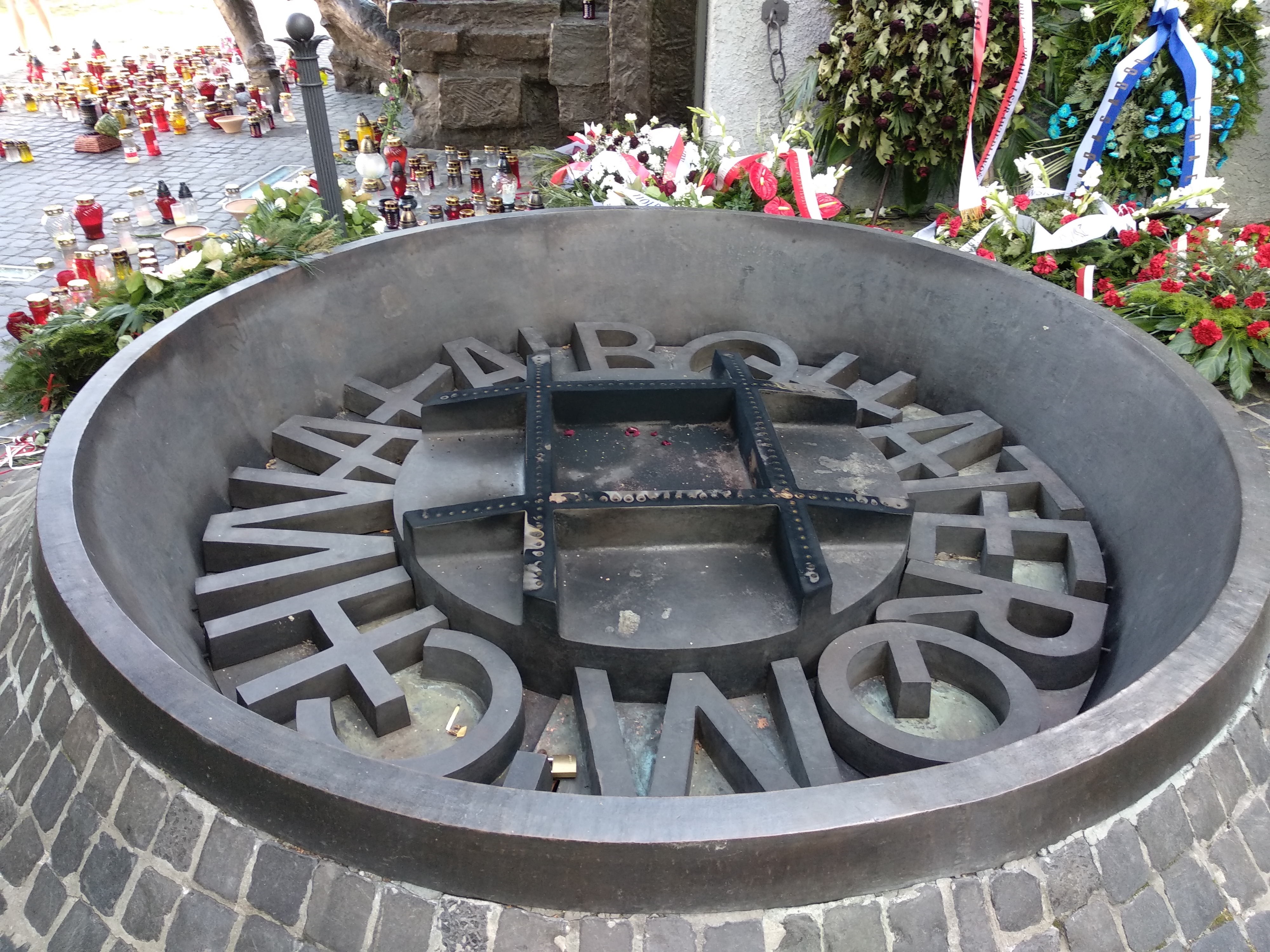
Sculpture Details
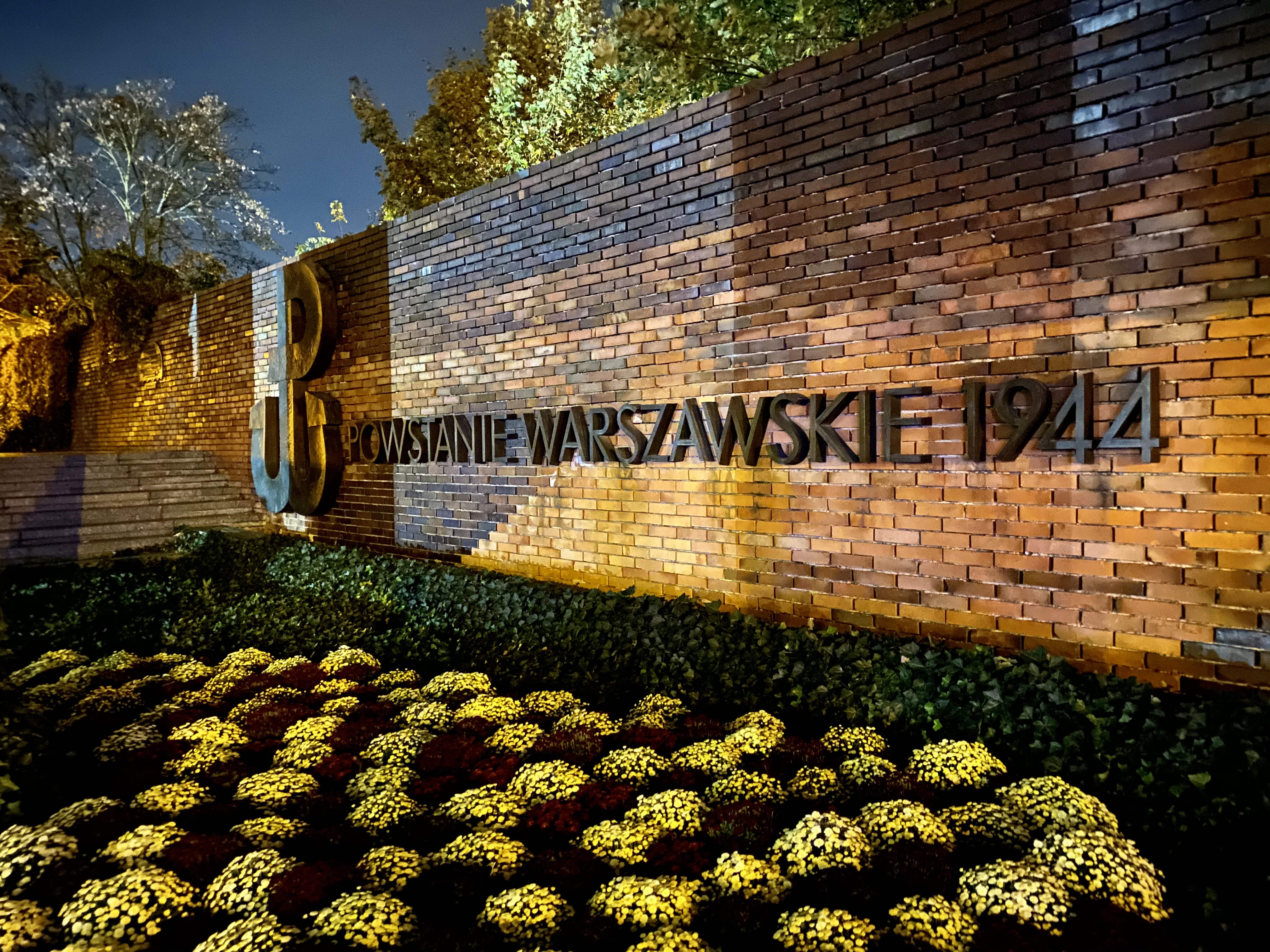
Evening Atmosphere
Historical Commemorative Area
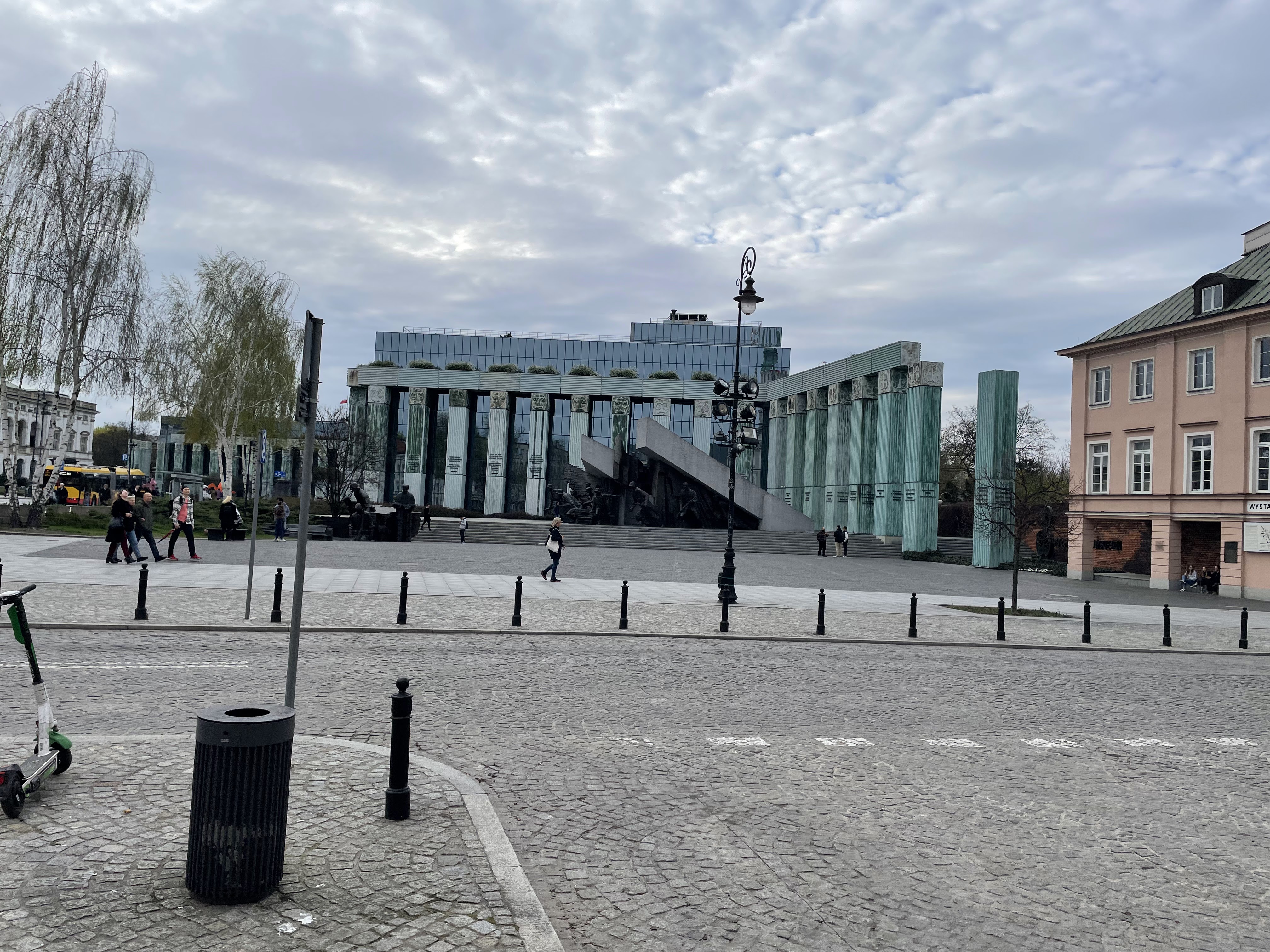
Warsaw Skyline Background
Visitor Reviews
Visitor feedback can be viewed via Google Maps (external link).
Absolutely profound and moving. The sculptures powerfully convey the tragedy and heroism of the Warsaw Uprising. Standing here, you truly feel the weight of history.
A must-visit for anyone interested in WWII history. The memorial is beautifully maintained and the atmosphere is deeply respectful.
The realism of the sculptures is incredibly impactful. Every detail tells a story of sacrifice and resistance. Highly recommend visiting at sunset.
A powerful reminder of Warsaw's resilience. The monument stands as a testament to the city's spirit. The surrounding area is perfect for reflection.
A very spectacular monument located in the city center. It's an important place to understand Polish history, highly recommended!
Breathtaking and the sculptures are very detailed. Every time I visit, I can feel that indomitable spirit.
One of the must-visit attractions in Warsaw! The surroundings are quiet, and it looks even more solemn at night under the lights.
A very educational place. It not only commemorates the heroes of the war but also makes you reflect on how hard-won peace is.
Häufige Fragen
Praktische Antworten für die Planung Ihres Besuchs.
Sehenswürdigkeiten in der Nähe des Warschauer Aufstand Denkmals
Der Plac Krasińskich liegt zwischen der Altstadt und dem ehemaligen Ghetto - kombinieren Sie das Denkmal mit diesen Attraktionen.
Oberstes Gericht Polens
Am selben PlatzSąd Najwyższy
Das monumentale Gebäude des höchsten Gerichts Polens steht direkt hinter dem Denkmal am Plac Krasińskich.
In Google Maps ansehenKrasiński-Palast
100 mPałac Krasińskich
Ein prächtiger barocker Palast aus dem 17. Jahrhundert an der Nordseite des Platzes, heute Teil der Nationalbibliothek.
In Google Maps ansehenWarschauer Altstadt
600 m · 8 Min. zu FußStare Miasto
UNESCO-Weltkulturerbe: Königsschloss, Marktplatz, Johanneskathedrale und Barbakan.
In Google Maps ansehenPOLIN Museum für die Geschichte der polnischen Juden
900 m · 12 Min. zu FußPOLIN
Preisgekröntes Museum auf dem Gelände des ehemaligen Warschauer Ghettos, ein kurzer Spaziergang westlich des Platzes.
In Google Maps ansehenMuseum des Warschauer Aufstands
2,6 km · mit der StraßenbahnWarsaw Uprising Museum
Das wichtigste Museum zum Aufstand von 1944, untergebracht in einem ehemaligen Straßenbahnkraftwerk im Stadtteil Wola.
In Google Maps ansehenHow to Get Here
plac Krasińskich, 00-263 Warschau, Polen
Für offizielle Updates und regionale Tourismusinformationen besuchen Sie Polens offizielles Tourismusportal
Quellen & weiterführende Literatur
Unabhängige, nicht-kommerzielle Referenzmaterialien für diesen Reiseführer.