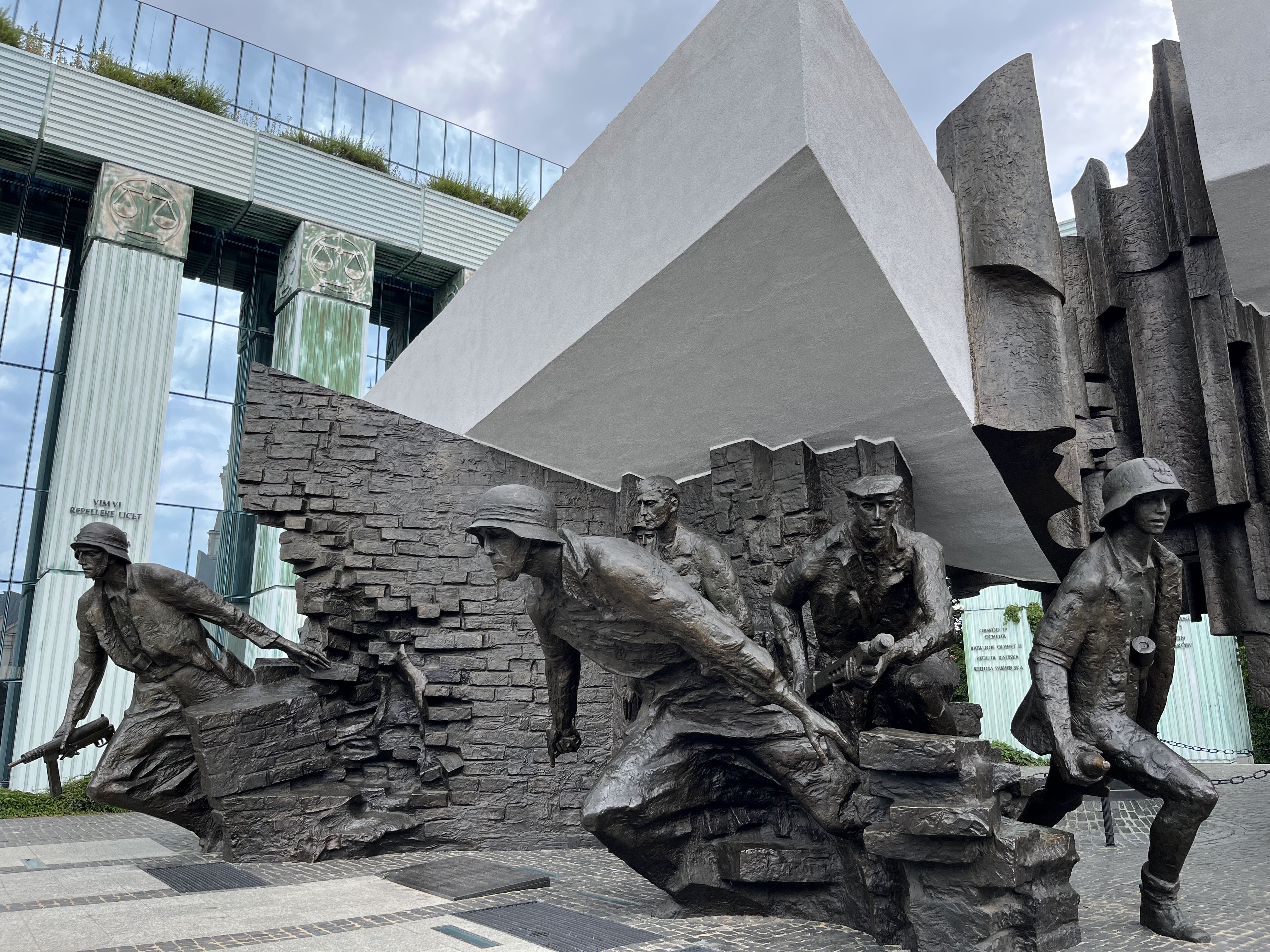
Warsaw Uprising Monument (Pomnik Powstania Warszawskiego)
1944 Warsaw Uprising Memorial · Plac Krasińskich · Free, Open 24/7
Discover the Warsaw Uprising Monument
The Warsaw Uprising Monument (Polish: Pomnik Powstania Warszawskiego), located at plac Krasińskich in Warsaw, was unveiled on 1 August 1989 and honors the heroes of the 1944 Warsaw Uprising — the largest military effort of any European resistance movement in World War II. This open-air memorial stands on the southern edge of Krasiński Square, in front of the Supreme Court building, and is free to visit 24/7.
Standing before the Warsaw Uprising Monument, you will immediately feel enveloped by a solemn and profound atmosphere. The entire sculptural group, rendered in highly impactful realistic techniques, recreates the heroic moments of the 1944 Warsaw Uprising—the shattered structures, the struggling figures, all silently narrate the suffering and resistance this city once endured.
The square is quiet and solemn, free from commercial bustle. Visitors walk softly and slowly, standing in reverent contemplation. The two sculptural groups complement each other—one side depicting courageous fighters, the other showing civilians struggling to survive in the ruins. The intricate carving details fully present both the cruelty of war and the resilience of humanity.
Surrounding modern buildings rise alongside this heavy historical landmark, creating a striking contrast that makes one appreciate the preciousness of peace even more. You can quietly circle the monument, absorbing the emotions conveyed by the sculptures, and reflect in the expansive memorial square, remembering this chapter of the city's past that must never be forgotten.
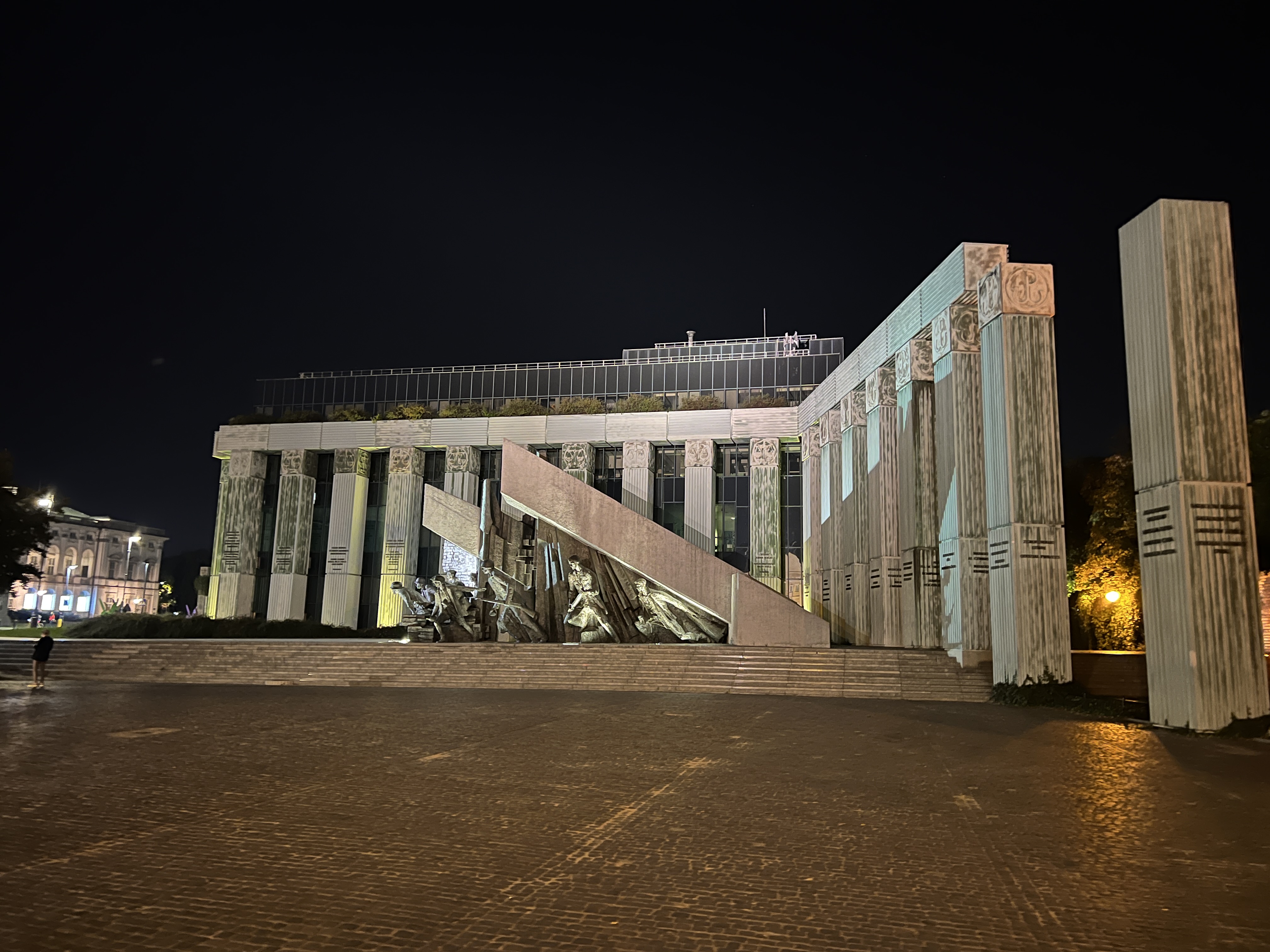
As twilight falls, cool light and shadows envelop the entire square, making the monument's silhouette increasingly dignified. This is not merely a sculptural landmark—it is Warsaw's spiritual pillar, witnessing destruction, resistance, and rebirth, allowing every visitor to understand the history and faith of this resilient city.
Visit Tips
- Recommended to visit during early morning or late afternoon for softer lighting and fewer crowds
- The outdoor memorial square is free and open 24/7 year-round
- Maintain solemn silence and refrain from loud behavior out of respect for the fallen
- Wear comfortable walking shoes as the square has extensive paved stone surfaces
Highlights
- Most significant WWII memorial landmark in Poland
- Core spiritual symbol commemorating the 1944 Warsaw Uprising
- European classic WWII historical memorial landmark
- Important site for patriotic education and historical remembrance
About Warsaw Uprising Monument
Basic Information
Official Name
Pomnik Powstania Warszawskiego
Attraction Type
Historical Monument, WWII Memorial, Cultural Heritage Site
Country
Poland
City
Warsaw
Google Rating
4.8/5 (5,532)
Address
plac Krasińskich, 00-263 Warszawa, Poland
Weather in Warsaw
Live conditions and a 5-day outlook for the monument area, to help you plan your visit.
5-Day Forecast
Opening Hours
Memorial Square & Monument
Open 24/7 year-round, no restrictions
Uprising Anniversary — 1 August
National ceremony held annually at the monument
Other Commemorative Days
Special events throughout the year; the square remains open 24/7
Special Notice
Ceremonies and events are held on commemorative days and special occasions. The atmosphere is solemn and dignified.
Recommended to visit during early morning or late afternoon for fewer crowds and better atmosphere
Ticket Prices
Outdoor Memorial Square
Free admission, no entry fee
Free Monument & Paid Museum
Good to know
The museum (Wola district) is a separate paid attraction; the open-air monument on plac Krasińskich is always free.
How to Get Here
From Warsaw Chopin Airport
Take bus 175 or S2/S3 urban trains to the city center (Warszawa Centralna), then transfer to Metro Line M1 to Ratusz Arsenał station and walk about 8 minutes to plac Krasińskich. Ride-sharing from the airport can take you directly to the monument square.
Self-Drive / Ride-Share
The most convenient option. Warsaw's city center has well-developed road networks. Ride-sharing services operate throughout the city with direct drop-off points near plac Krasińskich.
From Warsaw Central Railway Station
From Warsaw Central Station (Warszawa Centralna), take tram 15, 18, or 35 to Muranów station, or take Metro Line M1 to Ratusz Arsenał station, then walk 5-8 minutes to plac Krasińskich.
From City Center / Old Town
From Warsaw Old Town Square (Rynek Starego Miasta), walk southwest for about 8 minutes to plac Krasińskich; from the Palace of Culture and Science, take Metro Line M1 to Ratusz Arsenał and walk 6 minutes. The square lies between the Old Town and the former Ghetto, so most central sights are within easy walking distance.
Cycling
Warsaw has well-developed cycling paths. Public bike-sharing stations are available throughout the city center. Cycling to plac Krasińskich offers flexibility and allows you to explore surrounding areas at your own pace.
Travel Tips
It is recommended to purchase a local transport day pass for unlimited metro, tram, and bus rides—ideal for visiting multiple attractions in succession. The city center has clear signage in multiple languages.
On-Site & Nearby Facilities
The memorial square itself is free of commercial facilities. Here is what you can typically find within walking distance around plac Krasińskich.
Public Toilets
There are no public toilets inside the memorial square. The nearest public toilets are around the Old Town Market Square and city-centre facilities, about 8–10 minutes on foot. Use the toilets at transport hubs or shopping centres before you arrive.
Parking
plac Krasińskich lies inside Warsaw's paid parking zone, where street spots are limited and time-restricted. Several multi-storey car parks operate in the wider city centre. Public transport is the easiest way to reach the square.
Dining & Cafés
The memorial square has no restaurants or kiosks. Within a 5–15 minute walk, the Old Town and city centre offer a wide choice of cafés, restaurants, bistros and fast-food outlets in every price range.
Hotels & Lodging
Accommodation in Warsaw's centre and Old Town ranges from hostels and budget hotels to upscale hotels. The area directly around the square is mostly offices and public buildings, so most hotels are a 10–20 minute walk away. See the Accommodation section for guidance.
Groceries & Convenience
Convenience stores and supermarkets are common across central Warsaw and many stay open late. The nearest shopping streets run towards the Old Town and Nowy Świat, about 10 minutes on foot.
Fuel & EV Charging
Petrol stations are scarce in the historic centre and public EV chargers are still limited around plac Krasińskich. If driving, refuel or charge before entering the city centre and follow local parking signs.
As a non-commercial educational website we do not recommend specific businesses — the list above covers the types of facilities typically found nearby.
The Charm of Warsaw Uprising Monument
Historical Significance
In 1944, the people of Warsaw launched a massive armed uprising against foreign occupation. This heroic struggle lasted sixty-three days before ending in tragedy—the entire city suffered devastating destruction, with countless civilians and fighters paying the ultimate price. To commemorate this heroic history and honor those who sacrificed their lives, Warsaw planned and constructed the Warsaw Uprising Monument after the war. Located in the heart of the city's memorial square, it became a symbol of the city's spirit. Designed by renowned artists based on authentic historical imagery, the sculptures fully recreate wartime scenes. Over the decades, the monument has endured city renovations while remaining intact, continuously serving its commemorative, educational, and cultural purposes—reminding people to remember the pain of war and cherish today's peace. It has become an essential destination for foreign tourists seeking to understand Poland's WWII history.
Architectural Features
The monument consists of two groups of giant realistic sculptures, divided into two main themes: heroic combat and survival in ruins. The figures have bold, heavy lines with powerful details. The entire ensemble stands prominently in the center of the open memorial square, accompanied by hard-textured paving and minimalist landscaping—creating a solemn and dignified atmosphere. The sculptural group faithfully recreates wartime resistance scenes with powerful visual impact. The modern realistic memorial sculpture style features rough, heavy stone textures with heroic, realistic forms that abandon ornate decoration. Through minimalist, solemn design techniques, the cruelty of war is restored while maintaining artistic expressiveness and historical gravity.
Cultural Significance
The monument carries the collective historical memory of the Polish nation, honoring the fighters and civilians who sacrificed themselves in the uprising. It serves as an important venue for patriotic education, historical commemoration, and solemn mourning. Every year on the anniversary of the uprising, national commemorative ceremonies are held here, profoundly interpreting the city's spirit of resistance, rebirth, and remembering history. The monument bears witness to the destruction and reconstruction of Warsaw, making it a spiritual landmark that every visitor should experience to understand the resilience and faith of this great city.
Core Experience
Walking into the memorial square, the solemn atmosphere immediately envelops you. The two sculptural groups—depicting fighting soldiers and struggling civilians respectively—stand in powerful confrontation. Each figure's posture, expression, and the shattered structural elements create a scene of desperate resistance and resilience. Standing quietly before the monument, listening to the silent testimony of history, you can feel the weight of that tragic past. As evening falls and cool light spreads across the square, the monument's silhouette becomes increasingly solemn. Here, you come to understand Warsaw—not merely a European capital, but a city born from fire, rebuilt from ashes, and eternally resilient.
History, Stories & Living Traditions
Documented facts and living memory behind Warsaw's most important monument.
A citizens' monument, two decades in the making
Ideas for a memorial to the 1944 uprising circulated for years, but it was only in the early 1980s that a civic committee gathered public donations and materials. The foundation act was laid on 31 July 1984, on the eve of the uprising's 40th anniversary, and a design competition was announced in December 1984. The monument was finally unveiled on 1 August 1989, exactly 45 years after the outbreak of the uprising — one of the last great memorial projects completed before the end of communist rule.
Sculptor Wincenty Kućma and architect Jacek Budyn
The winning design was created by sculptor Wincenty Kućma and architect Jacek Budyn. Their monumental, narrative composition in grey granite broke with the abstract style favoured at the time, bringing realistic, expressive sculpture back into Warsaw's public space.
The sewers: the monument's most haunting motif
One sculptural group shows insurgents descending into a sewer opening, another shows fighters emerging from the rubble. During the 63 days of the uprising, Warsaw's sewers were used to move people, supplies and messages between districts — and, in the final weeks, to evacuate fighters from the Old Town. The motif has become one of the most powerful symbols of the Warsaw Uprising.
The wall of ruins
The monument is built around broken walls and crumbling masonry. After the uprising and the systematic destruction that followed, around 85% of Warsaw lay in ruins. The fractured wall of the monument stands both for the destroyed city and for the defiance that rose out of it.
Godzina W — the city stops
The uprising began at 17:00 on 1 August 1944 — the so-called Godzina W ('W Hour'). Every year at 5 pm on 1 August, sirens sound across the city and Warsaw stops for a minute of silence. At the monument itself, wreaths are laid and national ceremonies are held, attended by veterans, officials and crowds of citizens.
A square that was a battlefield
plac Krasińskich was no quiet backdrop: during the uprising, the Krasiński Palace on the north edge of the square was seized by German forces and used as a stronghold, and the area saw heavy fighting as insurgents tried to retake it. Building the national monument here, on the edge of the Old Town and on this very battleground, was a deliberate act of memory.
Recommended Route
It is recommended to visit during off-peak, quieter hours. Enter from the main entrance of the memorial square, face the main monument's panoramic view, and circle the sculptures to observe details closely. Stroll through the commemorative plaques and historical introduction areas around the square to learn the complete history of the uprising. Standard visit takes about 40 minutes; extended historical exploration can extend to 1.5 hours.
Arrive at the public transport stations around the square and walk into Warsaw Uprising Memorial Square
Face the main monument complex, viewing the overall sculptural layout and commanding presence from a distance
Circle the two main sculptural groups slowly, observing the carved details and figure forms up close
Visit the commemorative plaques and historical interpretation signs around the square, learning the uprising's background and history
Stand quietly in the memorial area of the square for reflection, feeling the solemn atmosphere of the commemorative space
Photograph the monument's panoramic and detail shots while maintaining solemnity and not disturbing the mourning atmosphere
Walk along the outer perimeter path of the square, connecting to the city's main roads and nearby commercial areas
Walk to the next historical landmark and continue exploring Warsaw's urban journey
游览须知
- The memorial square has hard stone paving throughout—wear comfortable shoes for walking
- The atmosphere is solemn; maintain quiet and soft footsteps, no loud talking or horseplay
- Do not climb the sculptures under any circumstances
- There are no commercial facilities in the square—prepare water in advance
- Rain and snow can make surfaces slippery; walk carefully and pay attention to safety
Photo Spots
Central Square - Monument Panorama
Eye-level shot capturing the monument's complete panoramic view with solemn, symmetrical composition
Sculpture Side - Low Angle Details
Low-angle shots of figure sculpture details, highlighting the heavy sense of power and gravitas
Distant Square Path - Urban Background
Capture the landmark integrated with the cityscape using urban buildings as backdrop
Commemorative Plaque Area
Combine with text markers for historically documentary-style photographs
Overcast Side Lighting
Soft, cool light on overcast days enhances the solemn atmosphere of the monument
Photography Tips
The square is open with no obstructions. Midday light can be harsh—early morning or evening provide softer lighting conditions. Drone photography is prohibited in memorial areas; please comply with local historical site regulations. Maintain solemnity during photography—no exaggerated poses—and respect the historical and commemorative significance.
Accommodation
Luxurious & Quiet Near Monument
Price varies by seasonLocated in the prime area around the monument with convenient access. Near the municipal commercial district—quiet and comfortable
Modern Downtown Residence
Price varies by seasonClose to city main roads with comprehensive transportation. Short distance to major historical attractions
Old Town Boutique Accommodation
Price varies by seasonHistoric buildings within Warsaw's Old Town district. Blends historical atmosphere with convenient access
Budget City Accommodation
Price varies by seasonBudget-friendly options near transportation hubs. Complete amenities—ideal for short stays and transit
Accommodation Tips
Warsaw's city center is safe and secure for daytime touring. Accommodation prices rise during peak travel seasons and major commemorative holidays—early booking is recommended. Prioritize staying between the city center and Old Town for efficient access to the monument, Old Town, and Barbican historical sites.
Photo Gallery
Warsaw Uprising Monument Memorial Square & Sculptures
Warsaw Uprising Monument Panorama
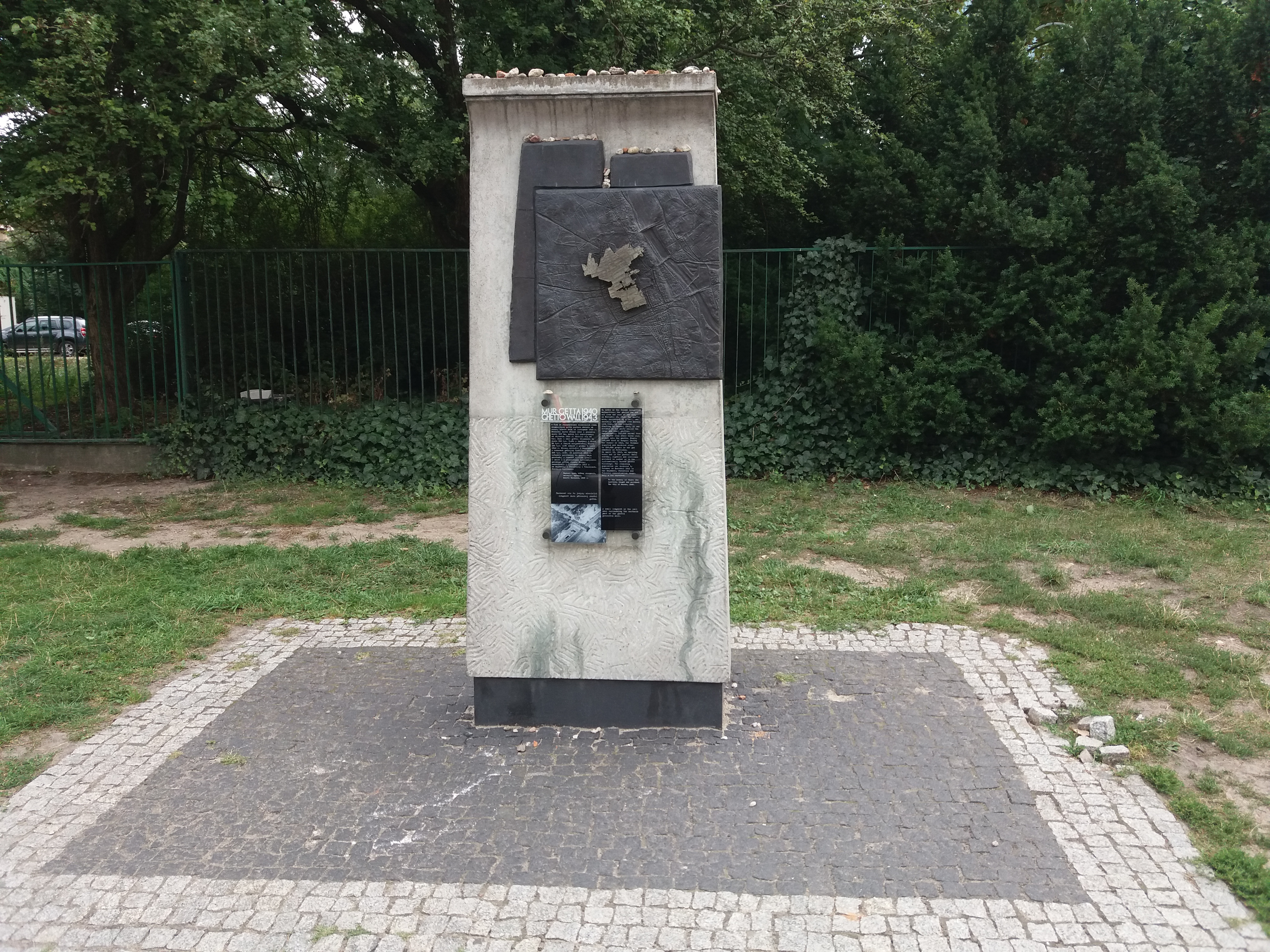
Heroic Resistance Sculptures
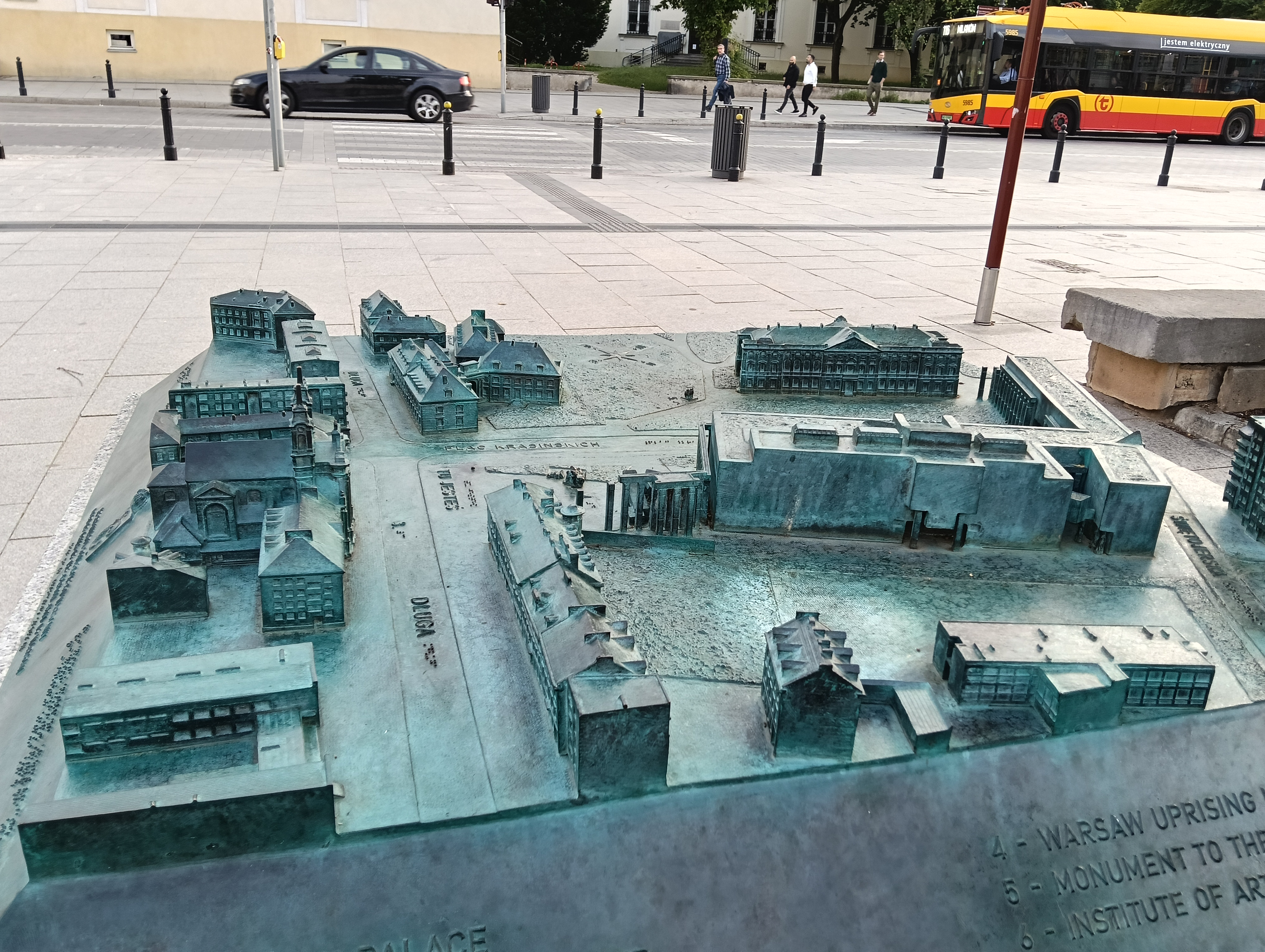
Survival in Ruins Group
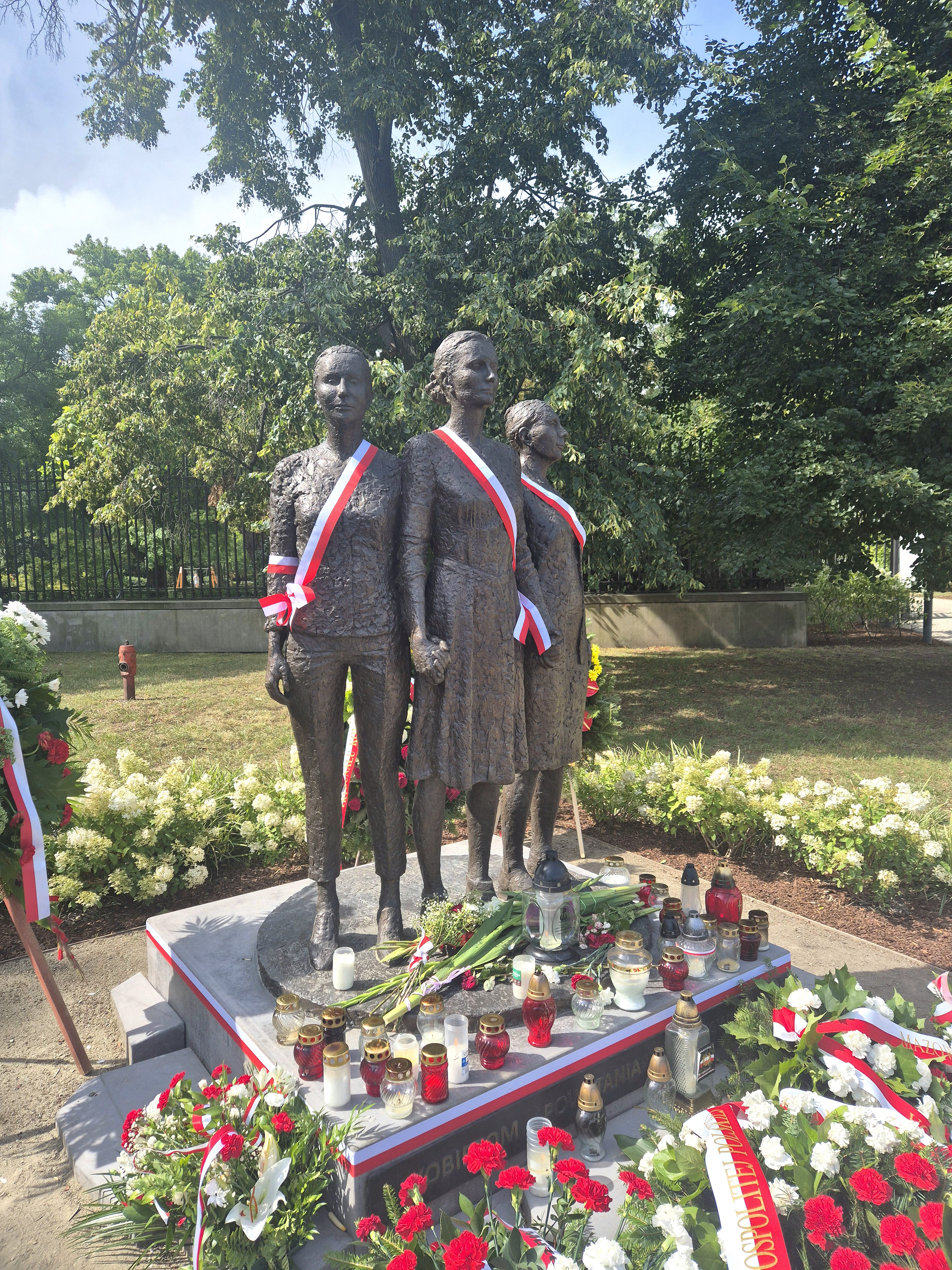
Memorial Square Overview
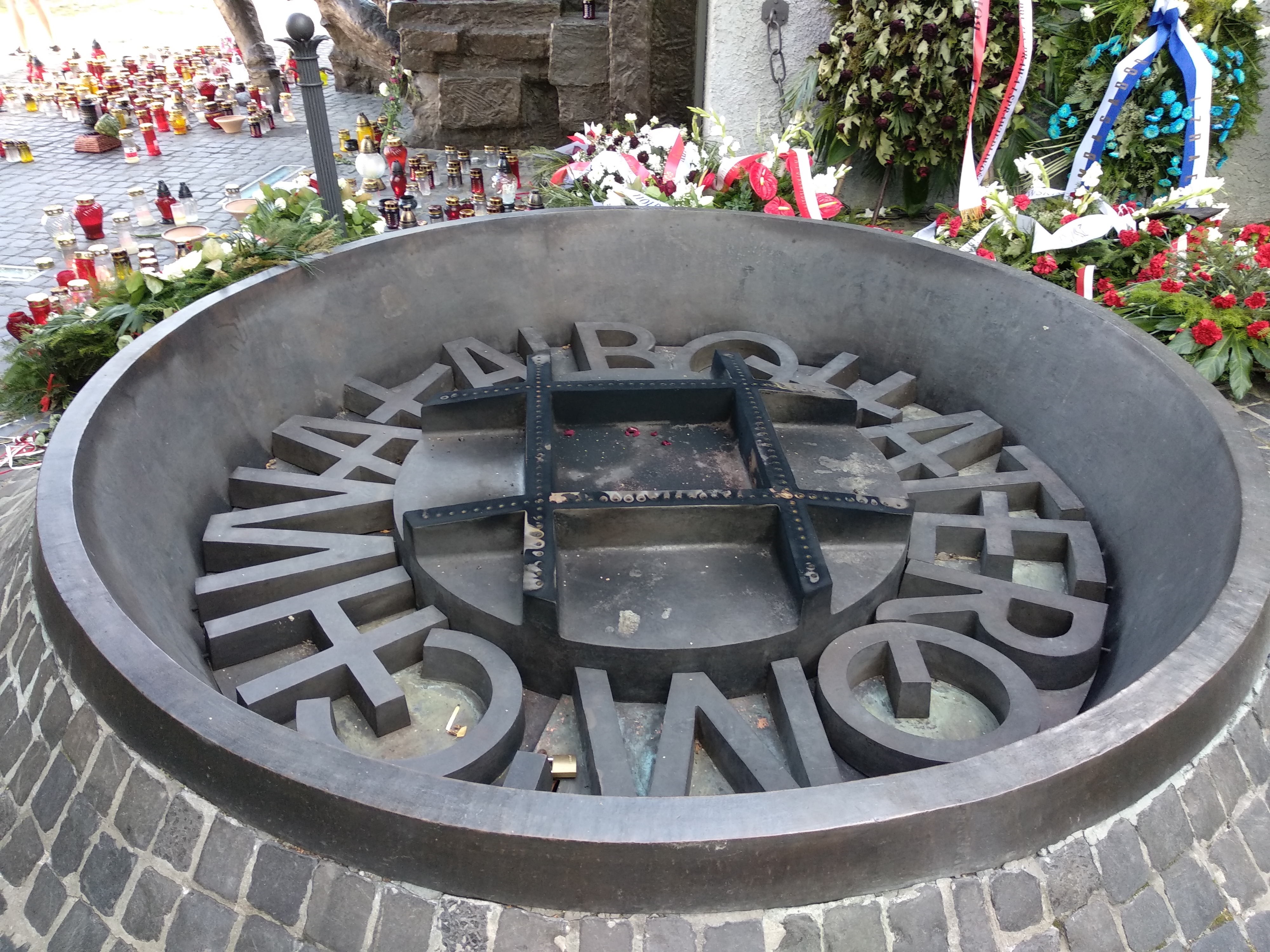
Sculpture Details
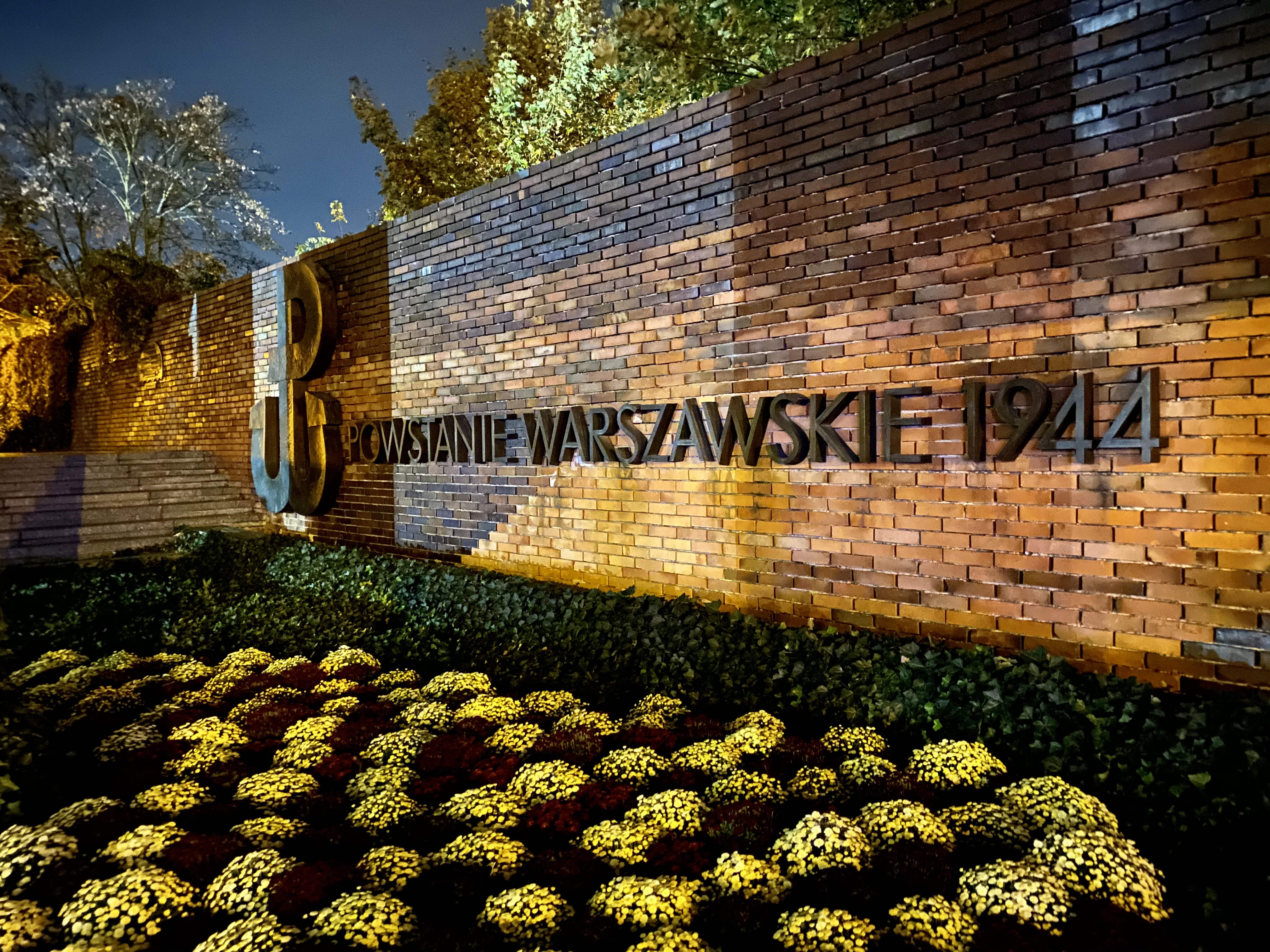
Evening Atmosphere
Historical Commemorative Area
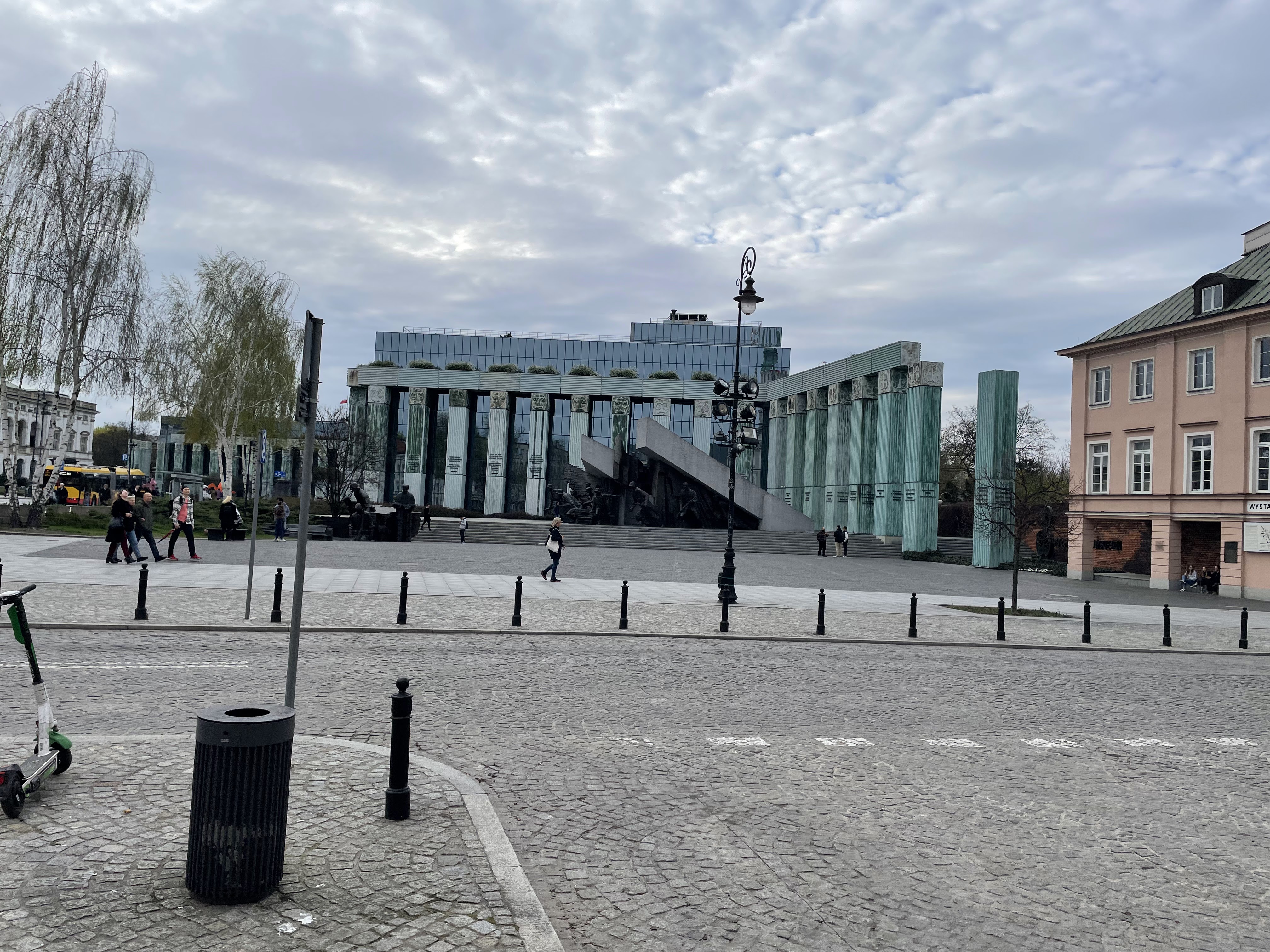
Warsaw Skyline Background
Visitor Reviews
Visitor feedback can be viewed via Google Maps (external link).
Absolutely profound and moving. The sculptures powerfully convey the tragedy and heroism of the Warsaw Uprising. Standing here, you truly feel the weight of history.
A must-visit for anyone interested in WWII history. The memorial is beautifully maintained and the atmosphere is deeply respectful.
The realism of the sculptures is incredibly impactful. Every detail tells a story of sacrifice and resistance. Highly recommend visiting at sunset.
A powerful reminder of Warsaw's resilience. The monument stands as a testament to the city's spirit. The surrounding area is perfect for reflection.
A very spectacular monument located in the city center. It's an important place to understand Polish history, highly recommended!
Breathtaking and the sculptures are very detailed. Every time I visit, I can feel that indomitable spirit.
One of the must-visit attractions in Warsaw! The surroundings are quiet, and it looks even more solemn at night under the lights.
A very educational place. It not only commemorates the heroes of the war but also makes you reflect on how hard-won peace is.
Frequently Asked Questions
Practical answers to help you plan your visit.
Things to Do Near Warsaw Uprising Monument
Plac Krasińskich sits between the Old Town and the former Ghetto — pair the monument with these nearby sights.
Supreme Court of Poland
On the same squareSąd Najwyższy
The monumental seat of Poland's highest court stands directly behind the monument on plac Krasińskich.
View on Google MapsKrasiński Palace
100 mPałac Krasińskich
A magnificent 17th-century Baroque palace on the north side of the square, today part of the National Library of Poland.
View on Google MapsWarsaw Old Town
600 m · 8 min walkStare Miasto
UNESCO World Heritage site with the Royal Castle, Market Square, St. John's Cathedral and the Barbican.
View on Google MapsPOLIN Museum of the History of Polish Jews
900 m · 12 min walkPOLIN
Award-winning museum on the site of the former Warsaw Ghetto, an easy walk west from the square.
View on Google MapsWarsaw Uprising Museum
2.6 km · tram rideMuzeum Powstania Warszawskiego
The definitive museum on the 1944 uprising, housed in a former tram power station in the Wola district.
View on Google MapsHow to Get Here
plac Krasińskich, 00-263 Warszawa, Poland
For official updates and regional tourism information, visit Poland Official Tourism Portal
Sources & Further Reading
Independent, non-commercial reference material used for this guide.